Blog
Coastal Comfort Strategies: What homeowners should expect from a heating contractor in a humid climate
Gulf Coast living brings warmth, sea breezes, and moisture-packed air that can challenge comfort inside the home. A skilled heating contractor understands how heat, humidity, and seasonal swings interact, and can help homeowners keep systems stable, efficient, and safe. Whether planning a new installation or optimizing existing equipment, the right approach blends technical know-how with climate-specific insight. For many locals, the phrase HVAC HARVEY captures that blend of neighborhood familiarity and trade expertise needed to meet the area’s unique demands.
1. Assess the home as a system
A thorough contractor starts with an evaluation that goes beyond the equipment tag. Proper load calculations consider square footage, insulation, window orientation, duct layout, and air leakage. This whole-home mindset helps align capacity with real-world conditions, curbing short cycling, improving comfort consistency, and extending system life.
2. Prioritize airflow and duct integrity
Airflow is the lifeblood of reliable performance in humid regions. Undersized returns, crushed flex runs, and leaky joints can force equipment to work harder than necessary. An attentive pro inspects static pressure, seals gaps, and right-sizes ducts where practical. When airflow is balanced, temperatures feel steadier and the system can manage moisture more effectively.
3. Address humidity control with intention
In a coastal climate, temperature without dehumidification still feels clammy. A contractor versed in local conditions will tune equipment to remove sensible and latent heat efficiently. That may involve adjusting fan speeds, confirming correct refrigerant charge on applicable systems, and recommending complementary measures that help maintain indoor relative humidity within a comfortable range.
4. Emphasize preventive maintenance
Routine service helps catch small issues before they become comfort disruptions. Seasonal checkups typically include cleaning critical components, verifying electrical connections, and confirming safe operation. In salt-air environments, corrosion vigilance matters. Protective practices and timely part replacements help preserve performance when humidity and coastal air accelerate wear.
5. Calibrate controls for comfort and savings
Thermostats and zoning controls shape how a system responds to daily life. Properly configured schedules, setback strategies, and sensor placement can reduce energy use without sacrificing comfort. A thoughtful setup helps equipment run long enough to manage moisture on muggy days while avoiding unnecessary runtime during milder weather.
6. Improve building envelope basics
Heating comfort begins at the boundary between indoors and outdoors. Air sealing around attics, crawlspaces, and penetrations limits drafts and heat loss. Targeted insulation upgrades can make a big difference in rooms that run hotter or colder than the rest of the home. By reducing the load, the system doesn’t have to work as hard to keep spaces cozy during cool spells.
7. Plan for safety and code compliance
Safety devices and clearances protect people and property. A conscientious contractor verifies combustion air needs where applicable, assesses venting or condensate routing, and follows local permitting requirements. In communities where storms are part of life, securing outdoor components and documenting installation details support reliability through unpredictable weather.
8. Prepare for seasonal transitions
The shoulder seasons invite tune-ups that ready equipment for the next shift in conditions. Filter changes, drain checks, and control verifications reduce the risk of mid-season surprises. Planning maintenance around weather patterns common to HVAC HARVEY customers ensures comfort when the first chilly night or humid afternoon arrives.
9. Consider indoor air quality enhancements
Comfort is more than temperature. In homes where doors and windows stay closed for long stretches, fresh air strategies and filtration upgrades can help reduce particulate buildup and stale odors. When selected and sized appropriately, these enhancements support healthier living spaces without overwhelming existing equipment.
10. Communicate clearly and set expectations
Transparent conversations about options, timelines, and upkeep responsibilities foster confidence. A reliable care approach includes explaining trade-offs, offering practical tips, and documenting service findings. With clear expectations, homeowners can plan proactively and avoid rushed decisions when the weather changes.
Local climate realities shape heating decisions in meaningful ways. By focusing on airflow, humidity management, safety, and steady maintenance, homeowners can enjoy consistent comfort in a coastal environment. Thoughtful planning and attentive service keep systems ready for everyday living and seasonal swings alike, a standard many residents associate with HVAC HARVEY experience woven into neighborhood homes.
Heat pump installation insights for Harvey homeowners
Choosing the right path for upgrading or replacing a home heating system takes thoughtful planning, especially in a humid subtropical climate where comfort and efficiency both matter. For many homeowners, the switch to a modern heat pump can deliver steady performance across the seasons while helping maintain indoor comfort without fuss. The following guide shares practical considerations for planning [heat pump installation harvey] projects, focusing on comfort, efficiency, and long-term reliability.
1. Match system type to climate needs
A properly selected system should address both cooling and heating demands. In coastal and river-adjacent areas, heat pumps are popular because they manage humidity while delivering consistent temperature control. Variable-speed models can ramp output up or down to match mild winters and hot, muggy summers, helping reduce temperature swings and improving indoor air quality through longer, gentler run cycles.
2. Prioritize correct sizing through load calculation
Right-sizing isn’t guesswork. A thorough load calculation considers factors like insulation levels, window orientation, air leakage, and square footage to determine the required capacity. Oversized units short-cycle, causing wear and poor dehumidification. Undersized units struggle during peak conditions. A system sized from a detailed assessment will run smoother, last longer, and maintain comfort across rooms.
3. Plan for airflow and duct integrity
Even the most advanced equipment can underperform if ducts are leaky or poorly balanced. Before installation, ducts should be inspected for air leakage, insulation quality, and proper sizing. Sealing and insulating ductwork helps preserve conditioned air, stabilizes room-to-room temperatures, and reduces energy waste. In some homes, modest duct modifications can significantly improve system efficiency and comfort.
4. Consider indoor air quality features
Humidity control, filtration, and ventilation are vital in a region that battles heat, moisture, and allergens. Many modern heat pumps pair well with high-MERV filters and whole-home dehumidification solutions. Balanced ventilation can bring in fresh air while exhausting stale air, reducing indoor pollutants and odors. Combining these elements with steady heat pump operation helps create a cleaner, calmer indoor environment.
5. Prepare the electrical and placement details
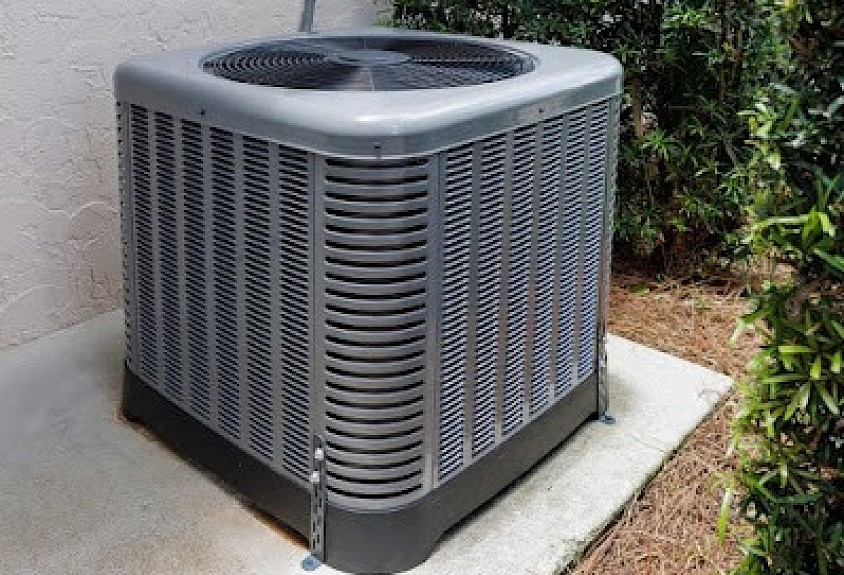
A successful installation often hinges on small details. Electrical service should meet the system’s requirements, with dedicated breakers and proper wiring. Outdoor units need clear airflow and stable mounting above grade to protect against standing water. Indoor air handlers should be placed for even distribution, easy service access, and minimal noise transfer to living spaces.
6. Evaluate efficiency ratings and comfort features
While ratings like SEER2 and HSPF2 can guide comparisons, also evaluate real-world comfort features. Inverter-driven compressors, variable-speed fans, and advanced thermostats can enhance day-to-day comfort by fine-tuning output. Look for quiet operation, smart controls that learn routines, and defrost strategies suited to local winter conditions, all of which contribute to a smoother, more enjoyable home environment.
7. Insist on professional commissioning
Commissioning is the final quality step that aligns system performance with manufacturer specifications. This process typically includes checking refrigerant charge, verifying airflow, calibrating controls, and ensuring proper drain operation. Thorough commissioning can prevent nuisance issues, protect warranty coverage, and confirm the system delivers what was promised.
8. Plan a maintenance rhythm
Heat pumps reward steady care. Routine filter changes, coil cleanings, and system checkups help preserve efficiency and dependability. Proactive maintenance can catch small issues—like a clogged drain or worn capacitor—before they disrupt comfort. Establishing a maintenance calendar aligned with seasonal transitions keeps the system ready for both cooling and heating needs.
9. Think holistically about the home
Pairing a new heat pump with basic home improvements multiplies results. Air sealing, attic insulation upgrades, and shading strategies reduce loads and allow the equipment to operate at its sweet spot more often. A whole-home view ensures the investment pays off in comfort, noise reduction, and stable indoor conditions across the year.
10. Document settings and educate household members
Once the system is installed and tuned, note thermostat schedules, fan settings, and filter sizes. Show household members how to adjust temperatures thoughtfully, set vacation modes, and recognize early signs of trouble. Clear documentation supports smooth daily use and helps maintain comfort without unnecessary adjustments.
A carefully planned path—from load calculation to commissioning—sets the stage for reliable operation and comfortable living season after season. With attention to details that matter, homeowners can enjoy dependable performance and a smoother indoor climate experience.